Top 5 Educational Toys to Boost Language Development
As parents and caregivers, we are always looking for ways to support our children's language development in fun and engaging ways. One great way to do this is by incorporating educational toys into their playtime. Not only are these toys entertaining, but they can also help boost language skills in young children. Below are five educational toys that can enhance language development in children:

Interactive Storybooks: Interactive storybooks are a fantastic tool for promoting language development in children. These books often include features like colorful illustrations, sound effects, and interactive elements that can capture a child's attention and make learning more engaging. As children follow along with the story, they can improve their vocabulary, comprehension, and storytelling skills.
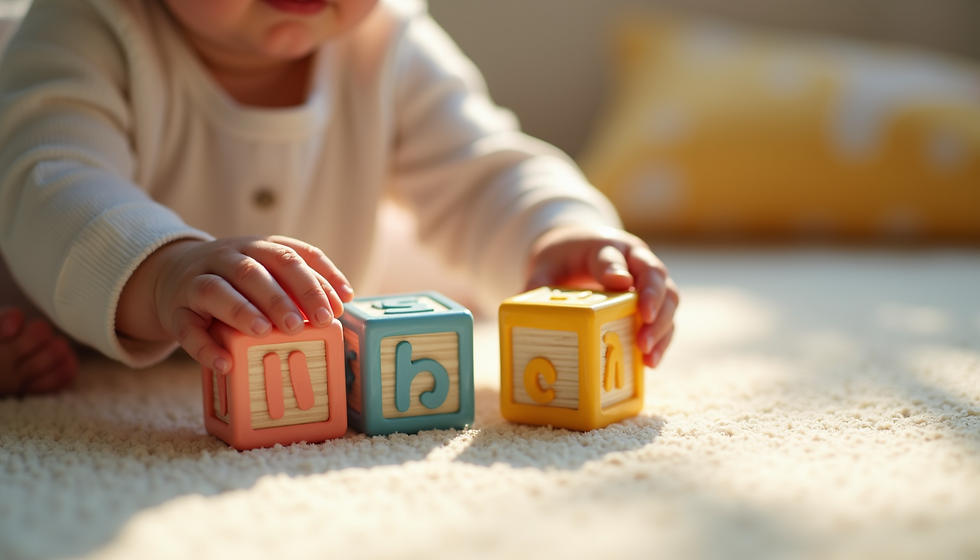
Building Blocks: Building blocks are not only great for fostering creativity and fine motor skills but also for language development. Children can learn new words related to shapes, colors, and sizes as they play with building blocks. Additionally, they can practice following directions, spatial concepts, and even storytelling as they build different structures.
Pretend Play Sets: Pretend play sets, such as kitchen sets, doctor kits, or tool sets, can provide children with a wealth of language-building opportunities. Through imaginative play, children can practice using new words, engaging in conversations, and developing social skills. They can also enhance their narrative skills as they create stories and scenarios using the pretend play props.
Puzzles with Words or Letters: Puzzles that feature words or letters can be a fun way to introduce young children to literacy and language concepts. As children match letters to form words or complete word puzzles, they can strengthen their phonemic awareness, letter recognition, and vocabulary skills. These puzzles can be a hands-on way for children to explore language in a playful manner.
Rhyming Games: Rhyming games, such as rhyme matching cards or rhyming word puzzles, can be an enjoyable way for children to work on phonological awareness and language skills. By identifying and creating rhyming words, children can enhance their phonemic awareness, sound discrimination, and vocabulary. These games can be a great addition to language-focused activities at home. Incorporating these educational toys into your child's playtime can not only make learning fun but also support their language development in various ways. Remember, the key is to engage children in interactive and stimulating experiences that promote communication, vocabulary growth, and literacy skills. By providing them with the right tools and resources, you can help them build a strong foundation for language development.